Learn about common mistakes in network cabling installation, from poor planning and wrong cable choices to skipping testing, and how to avoid costly downtime.
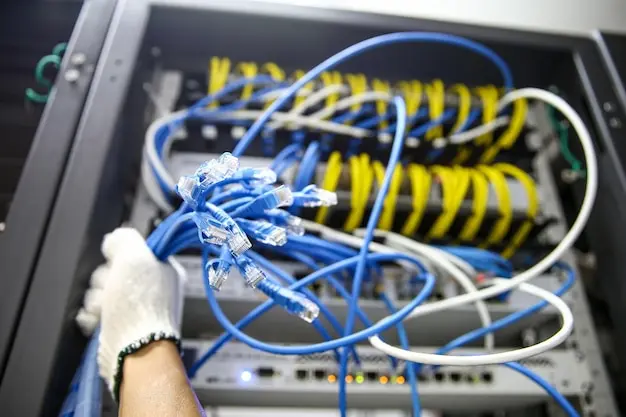
Network cabling installation is a specialist task that requires careful planning, the right materials, and a high standard of workmanship. When mistakes are made, the consequences can range from slow and unreliable connections to costly downtime and complete system failures. Understanding where things commonly go wrong is the first step towards getting it right.
Poor Planning Before Installation
One of the most common mistakes in network cabling installation is failing to plan adequately before a single cable is laid. A successful installation requires a thorough survey of the premises, a clear understanding of how the space is used, and a detailed plan that accounts for every device, workstation, and piece of equipment that needs to be connected. Rushing into the physical work without this groundwork invariably leads to problems further down the line.
Poor planning often results in cables that are too short, junction points in inconvenient locations, insufficient ports at key workstations, and a layout that makes future changes unnecessarily complicated. Taking the time to plan properly at the outset saves considerable time, money, and frustration once the installation is complete.
Choosing the Wrong Type of Cable
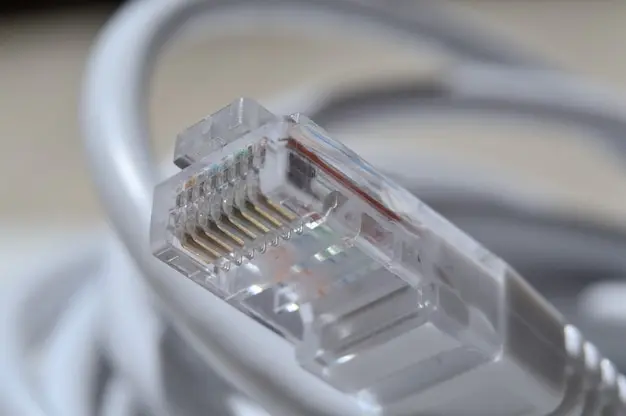
Not all network cables are created equal, and selecting the wrong type for your environment or application is a mistake that can undermine the entire installation. Different cable categories offer different performance levels, and what suits a small home office will not necessarily be appropriate for a busy commercial premises with high data demands. Using an outdated or underspecified cable standard limits the speeds and performance your network can achieve, regardless of how well everything else is installed.
Environmental factors also matter. Cables installed outdoors, in wall cavities, or in areas exposed to heat or moisture need to meet specific standards for those conditions. Using the wrong cable in the wrong environment leads to premature degradation, signal loss, and potential safety issues that are expensive to rectify.
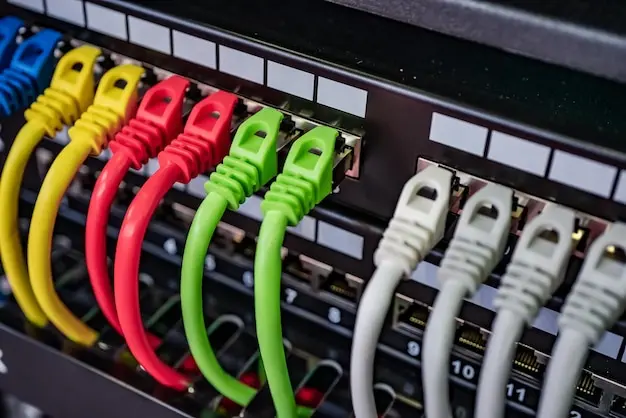
Disorganised cabling is one of the most visible signs of a poor installation, but the problems it causes go far beyond aesthetics. Cables that are bundled haphazardly, run across floors, or draped over other equipment create trip hazards, restrict airflow, and make it extremely difficult to identify and resolve faults when they occur. In a busy business environment, a tangled mess of cables can quickly become a serious operational headache.
Proper cable routing involves planning the path each cable will take through the building, securing cables neatly along those routes, and managing them carefully within patch panels and equipment racks. When this is done correctly, the installation looks professional, performs consistently, and is far easier to maintain and modify over time.
Every cable should also be clearly labelled at both ends, with labels that correspond to a documented cabling plan. Without this, even straightforward troubleshooting tasks become time-consuming and disruptive to the business.
Bad Cable Routing and Poor Organisation
The physical layout of your cabling has a direct impact on the long-term reliability of your network. Cables that are bent too sharply, crushed under equipment, or run through areas with excessive heat or moisture will degrade over time, introducing faults that are difficult to trace and expensive to fix.
A professional installer will route cables carefully, use appropriate fixings and trunking, and ensure every run is protected from the kinds of damage that cause problems further down the line.
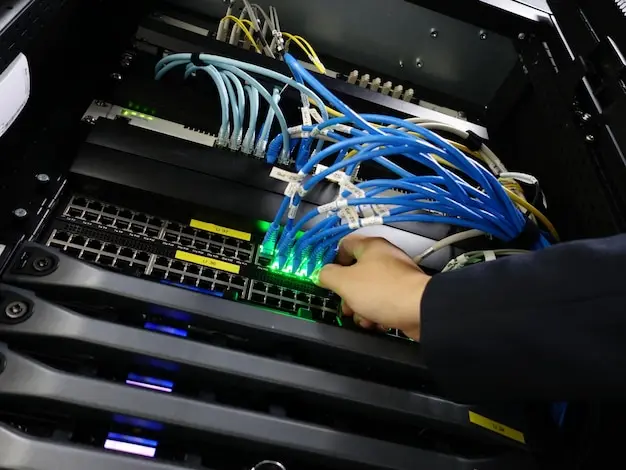
Organisation within the comms cabinet is equally important. A well-managed patch panel with clearly labelled ports and tidy cable dressing makes maintenance straightforward and keeps the installation looking professional. A chaotic cabinet, on the other hand, is a sign of poor workmanship and will cause headaches for anyone who needs to work on the system in the future.
Skipping Proper Testing After Installation
Even a well-planned and neatly executed cabling installation can harbour faults that are not visible to the eye. Damaged conductors, incorrectly terminated connectors, wiring errors, and excessive cable lengths can all cause performance issues that only become apparent once the network is in use. Without proper testing at the end of the installation, these faults go undetected and the client receives a network that underperforms from the outset.
A professional installation should include comprehensive testing of every cable run using calibrated test equipment, with results documented and provided to the client as part of the handover. This certification process confirms that the installation meets the required performance standards and gives the business owner confidence in what they have received. Any installer who is unwilling to provide tested and certified results should be treated with caution.
The mistakes outlined above are largely avoidable with the right expertise, the right materials, and a disciplined approach to planning and workmanship. A professional network cabling installer brings all of these things together, ensuring your infrastructure is built to the correct standards, performs as expected, and stands up to the demands of your business over the long term.
Professional installers work to recognised industry standards, carry out thorough testing, and provide full documentation upon completion. They plan for your future needs as well as your current ones, and they take pride in the quality and finish of their work.
The result is a cabling system that supports your business reliably rather than becoming a source of ongoing problems and expense.
If you are looking for professional network cabling installation in Chelsea, Kensington, or Knightsbridge, we can help. Get in touch to discuss your requirements.